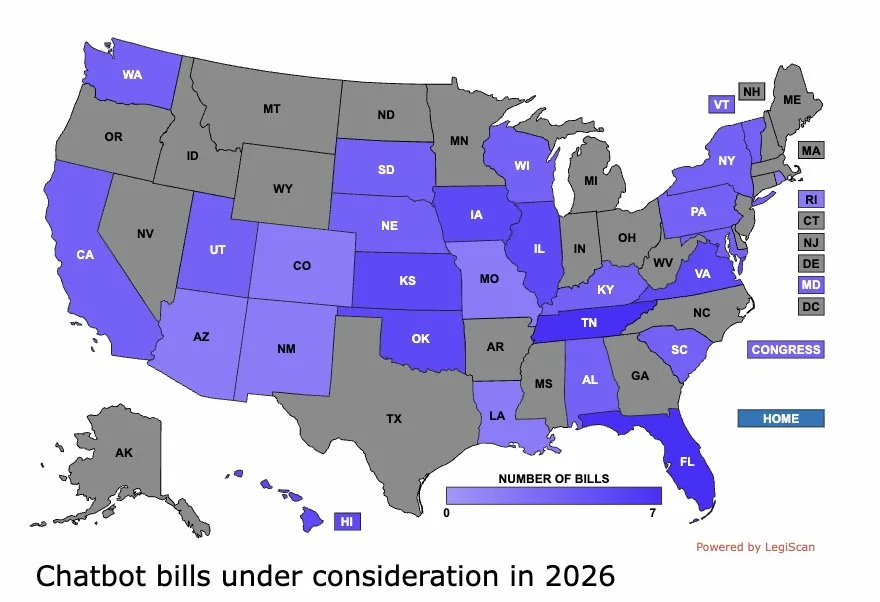
AI Legislative Update: Jan. 9, 2026

During the state legislative season TCAI offers weekly updates every Friday on a variety of AI-related bills making progress in around the nation.
This week: State legislatures began to re-convene for the 2026 session, and a number of lawmakers introduced bills dealing with AI chatbots and digital safety measures for minors.
California
California Sen. Steve Padilla (D), author of last year’s groundbreaking AI chatbot law, SB 243, introduced two new chatbot-related bills this past week.
SB 300 would strengthen existing laws regarding chatbots, by requiring companion chatbot operators to prevent its chatbot products from producing or facilitating the exchange of any sexually explicit material or proposing sexually explicit content.
SB 867 would prohibit the inclusion of companion chatbots in toys.
Florida
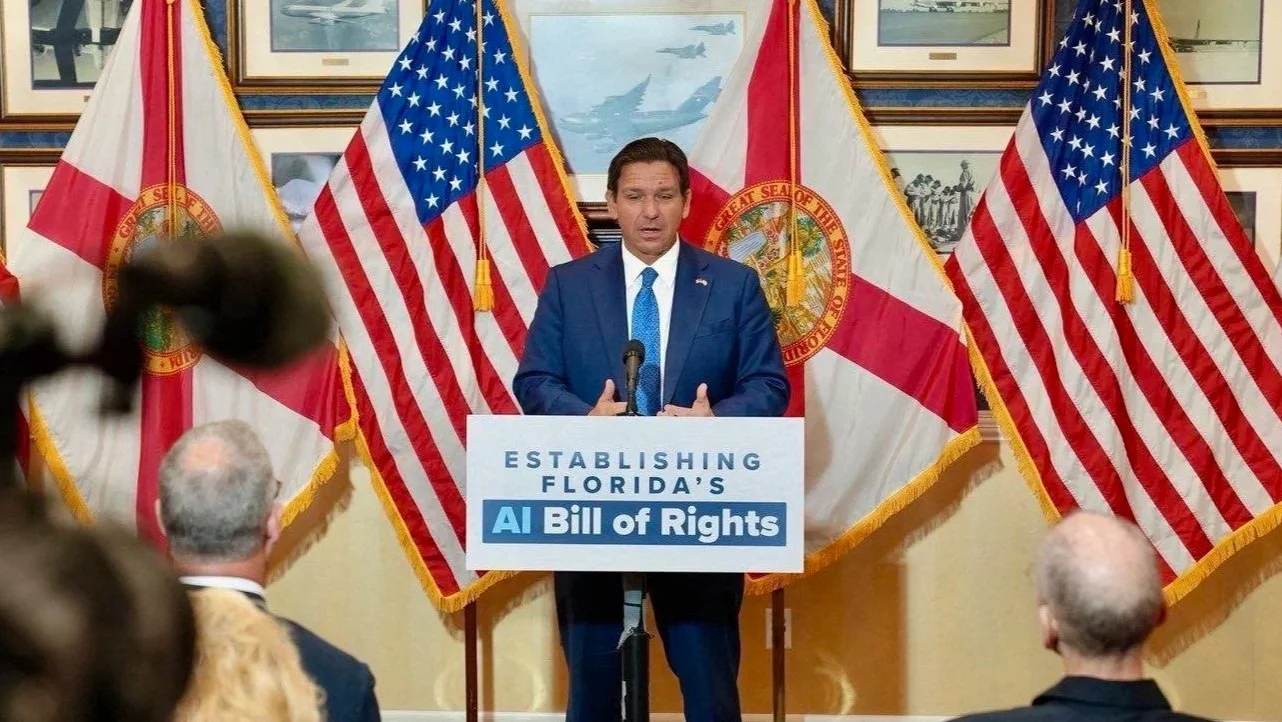
Florida Gov. Ron DeSantis made headlines last month with his endorsement of a sweeping AI Bill of Rights, and that package was officially filed by Sen. Tom Leek in late December.
SB 482, the Florida AI Bill of Rights, prohibits a governmental entity from extending or renewing a contract with specified entities; creates the "Artificial Intelligence Bill of Rights"; provides the rights of Floridians relating to the use of artificial intelligence; requires companion chatbot platforms to prohibit a minor from creating new or maintaining existing accounts unless the minor's parent or guardian consents; prohibits artificial intelligence technology companies from selling or disclosing the personal information of users unless the information is deidentified data, among other things. Sponsor: Sen. Tom Leek (R).
HB 659 would require operators of companion chatbots to verify the age of users and take specified actions for users who are minors. Sponsor: Rep. Christine Hunschofsky (D).
Hawaii
HB 639, and SB 640, carried over from the 2025 session, are companion AI disclosure bills that require notice to consumers when interacting with an AI chatbot. Sponsor: Rep. Trish La Chica (D), et al.
Massachusetts
S 243 and S 264 are separate AI disclosure bilsl that require consumer notification for software or computer program that simulates human conversation or chatter through text or voice interactions.
Michigan
Michigan has two AI bills already in play:
HB 4667 is the AI crime bill introduced in 2025 by Rep. Sarah Lightner (R) and carried over to the 2026 session.
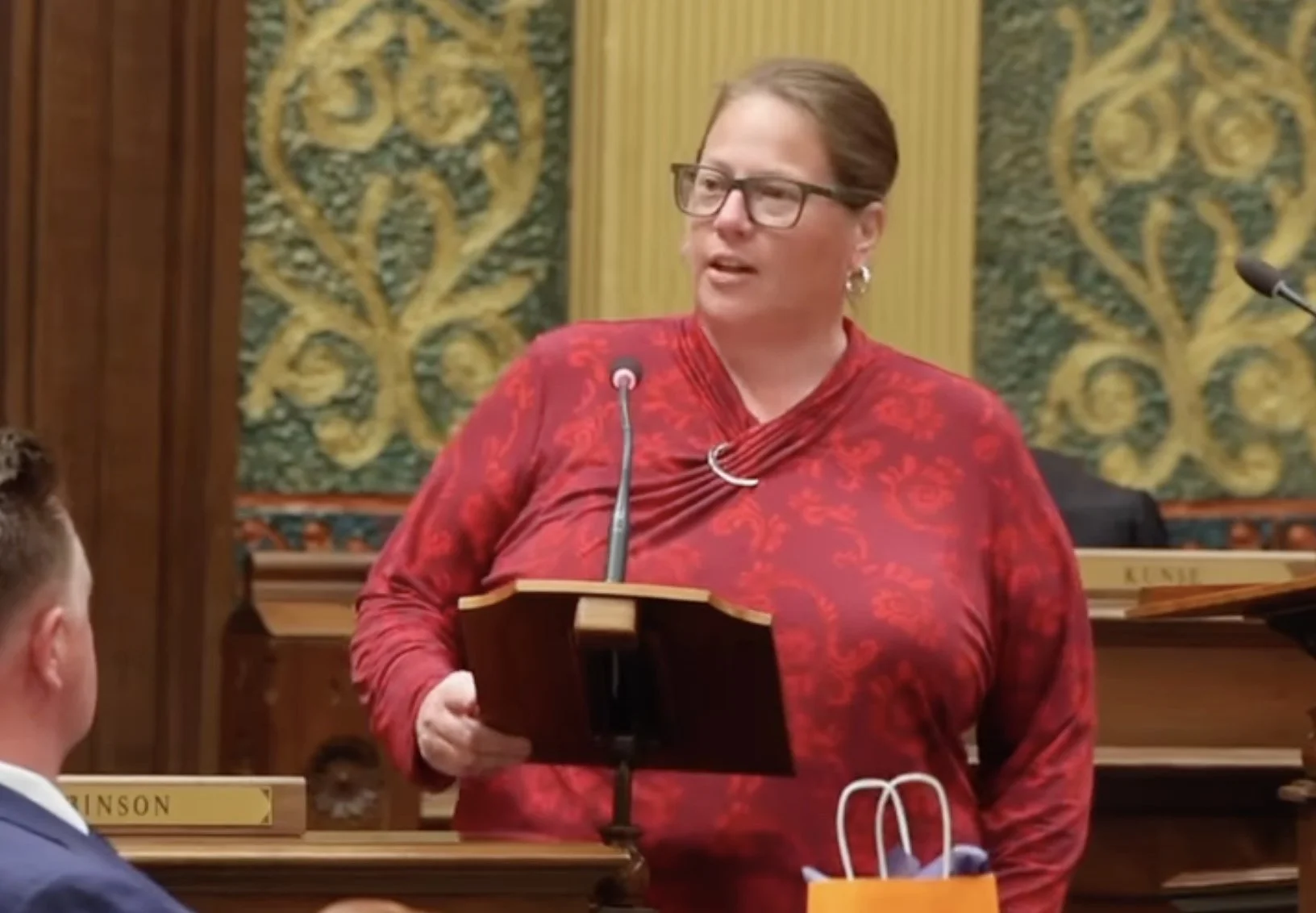
SB 760, introduced in late December by Sen. Dayna Polehanki (D), is a kids chatbot safety bill. The bill would prohibit chatbot operators from offering products to minors unless it is not capable of encouraging the minor to engage in self-harm, suicidal ideation, violence, consumption of drugs or alcohol, or disordered eating. The chatbot may not offer mental health therapy to the minor without the direct supervision of a licensed or credentialed professional, and it may not discourage the covered minor from seeking help from a qualified professional or a parent or guardian. The bill contains a number of other prohibited actions, responses, and activities.
Missouri
Two Missouri House members, Reps Melissa Schmidt and Rep. Mike Jones (both Republicans), have teamed up to offer a pair of companion bills that create safeguards around AI chatbots for minors.
HB 2031 the Children Harmed by AI Technology Act (CHAT), is a kids chatbot safety bill that includes age verification and parental consent requirements. Sponsors: Rep. Melissa Schmidt (R) Rep. Mike Jones (R).
HB 2032 is a companion bill from the HB 2031 sponsors that prohibits the design and sale of AI chatbots that encourage minors to engage in a variety of harmful and self-harmful actions.
New Jersey
New Jersey has two active bills dealing with AI issues:
A5848, carried over from 2025, modifies existing child endangerment statutes to include AI technology.
A6246, the Authentic Relationships Act, introduced in December, prohibits artificial intelligence relationship simulation. Sponsor: Rep. Paul Kanitra (R).
new Mexico
New Mexico Rep. Christine Chandler (D) introduced two AI-related bills in Santa Fe earlier this week:
HB 22 is a deepfake bill that enlarges the existing criminal statute on the unauthorized distribution of sensitive images to include the distribution of sensitive deepfake images.
HB 28, the Artificial Intelligence Transparency Act, is an AI disclosure bill that requires operators of AI systems to notify consumers that they are interacting with an AI model and not a human. The Act also requires operators to offer the opportunity to appeal an AI-aided decision in matters concerning consequential decisions.
New York
New York Gov. Kathy Hochul led off 2026 with a loud endorsement of Sen. Andrew Gounardes’ bill on kids and AI safety, but we have yet to see the bill officially filed. Other action includes:
A 222 and S 5668 are companion bills that deal with AI liability: The bills impose liability for misleading, incorrect, contradictory or harmful information to a user by an AI chatbot that results in financial loss or other demonstrable harm. AB 222 is sponsored by Asm. Clyde Vanel (D) and Asm. Jennifer Lunsford (D), while SB is sponsored by Sen. Kristen Gonzalez (D).
A 6545 and S 7263 are companion bills carried over from 2025 that impose liability for damages caused by a chatbot impersonating a lawyer or offering services limited to attorneys licensed by the State of New York. Sponsor: Asm. John Zaccaro (D), et al., and Sen. Kristen Gonzalez (D), et al.
A 9317 is a new chatbot disclosure bill introduced by Asm. Linda Rosenthal (D) that would require companion chatbots to include a warning to consumers.
Pennsylvania
Pennsylvania has two AI-related bills in play so far:
HB 2100 is a bill to regulate the use of mental health chatbots and artificial intelligence by mental health therapists. Sponsor: Rep. Jennifer O'Mara (D), et al.
SB 1090 is an AI disclosure bill that requires certain disclosures and safeguards relating to the use of artificial intelligence. Sponsor: Sen. Tracy Pennycuick (R), et al.
tennessee
Legislators in Tennessee have introduced a House-and-Senate package to regulate AI chatbots by making it a criminal felony to train an AI model or system to encourage harmful acts including suicide, or to develop an emotional relationship with an individual.
HB 1455 is an AI chatbot safety bill that creates a Class A felony offense for knowingly training artificial intelligence to encourage the act of suicide or criminal homicide, or act in specific manners, including developing an emotional relationship with an individual or simulating a human being, including in appearance, voice, or other mannerisms. Sponsor: Rep. Mary Littleton (R).
SB 1493 is a companion bill to HB 1455. Sponsor: Sen. Becky Massey (R).
Washington
Washington lawmakers reconvene this coming Monday, Jan. 12. Bills already in the hopper:
HB 2225, prefiled in late December, is an AI chatbot safety bill that includes a number of safety measures for kids. Sponsor: Rep. Lisa Callan (D), et al.
SB 5870 is a chatbot liability bill that establishes civil liability for suicide linked to the use of artificial intelligence systems. Sponsors: Sen. Lisa Wellman (D) and Sen. Sharon Shewmake (D).
Track AI legislation in 2026