
Should AI chatbots be treated as a public health problem? This expert thinks so
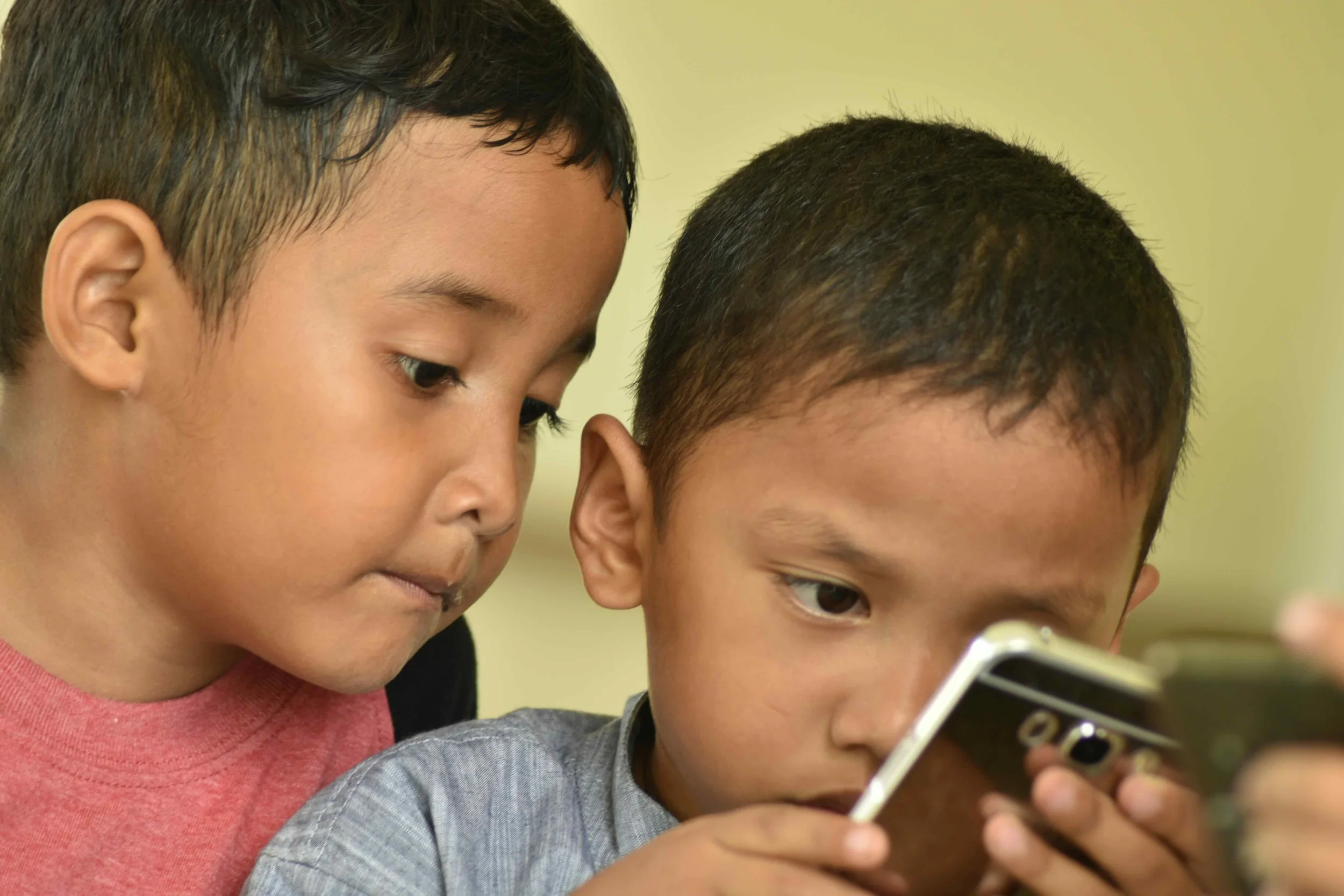
Gaia Bernstein, a law professor and expert on addictive technologies, argues that chatbots are a public health problem “stemming from lack of guardrails, addictive design, and risk of disruption of social skills, particularly for children.” (Photo by Budi Gustaman on Unsplash)
June 17, 2026 — In the ongoing debate over AI chatbots and the risks they pose, a new idea is gaining interest in policy circles: Chatbots aren’t merely a tech issue, they’re a public health problem.
That novel framework was recently proposed by Seton Hall law professor Gaia Bernstein, a visiting fellow at the Brookings Institution’s Center for Universal Education and author of the award-winning book Unwired: Gaining Control Over Addictive Technologies.
Bernstein laid out the concept in a recent Brookings Policy Brief, From Bans to Recalls: A Public Health Framework for AI Companion Bots.
The foundation of her argument is this: “AI companions are not designed for medical purposes, but they demonstrably harm public health and should be regulated accordingly.”
A shift from intent to result
It’s an interesting conceptual shift, one that categorizes a technical product not based on its intent but rather its effect.
“For decades, regulators treated information technology differently from drugs and devices, which require proof of safety before market entry,” Bernstein writes. “The evidence of harm to children from excessive screen time and social media shows that this regulatory divide can no longer be justified.”

AI chatbots “aren’t designed for medical purposes, but they demonstrably harm public health and should be regulated accordingly.”
— Gaia Bernstein, Seton Hall law professor and author of Unwired: Gaining Control Over Addictive Technologies
require pre-market approval, recall harmful products
Re-framing AI chatbots as a public health concern would require the application of a public health framework to these new tech products.
“This means a regime centered on pre-market approval, with recall as the most urgent tool, since many AI companion bots are already on the market.”
To be clear, Bernstein’s definition of companion bots includes a wide range of popular chatbot products, from specialized platforms like Replika to general chatbots like ChatGPT and Claude. As tech companies race to capture user engagement and loyalty, the distinction between early companion bots and general bots has closed.
‘the market alone’ will not solve the problem
In her policy brief, Bernstein makes her position clear: “AI companion bots are a public health problem,” she writes. “These bots impose three layers of public health harm stemming from lack of guardrails, addictive design, and risk of disruption of social skills, particularly for children.”
The current lack of regulatory guardrails offers tech companies little chance to prioritize safety over user engagement, market share, and profit, she writes. “No single company operating AI companion bots can act safely alone because it will lose to competitors vying for engagement. The market will not solve this problem on its own.”
Reframing AI chatbots as products within the regulatory purview of public health and medical devices will take time, Bernstein acknowledges. But the tools already exist. She argues for the use of a public health-based product recall “to remove unsafe products from the market until manufacturers redesign them to meet safety standards.”
Employing a recall regime in the AI industry can change the playing field by creating a safety floor—so companies can design their AI bots for safety without losing to their competitors.
“Companies must prove their products are safe before putting them back on the market,” she says.
Learn more
To learn more about these ideas:
From Bans to Recalls: A Public Health Framework for AI Companion Bots, a Brookings policy brief by Gaia Bernstein
Brookings Event: AI Companion Bots as a Public Health Issue, a one-hour video conversation with Gaia Bernstein and others
The Dangers of Artificial Intimacy, a webinar organized by Human Change that focuses on the impact of AI companion bots on child development.
Devastating Report Finds AI Chatbots Grooming Kids, Offering Drugs, Lying to Parents
Unwired: Gaining Control Over Addictive Technologies, by Gaia Bernstein
