

With tech companies unwilling to heed calls for safety testing and responsible product design, state legislators have stepped up to set initial standards. (Photo by Shantanu Kumar on Unsplash)
July 15, 2026 — Just ten months ago, in Sept. 2025, California Gov. Gavin Newsom signed the nation’s first statewide chatbot safety measure into law.
That historic bill, SB 243, showed lawmakers around the country that state leaders could take meaningful action to protect their residents—and especially their kids—from the harms of powerful, untested AI chatbots.
It didn’t take long for other states to follow up.
The Transparency Coalition’s recently released 2026 Mid-Year AI Legislation Report included 14 chatbot safety measures passed and/or enacted in 13 states. These are truly bipartisan measures, with chatbot safety laws enacted in both Republican-held legislatures like Georgia and Idaho, and Democratic strongholds like Washington and New York.
The protective strength of the bills vary from state to state, but they all illustrate the vital need to create safeguards at a moment when the tech industry has proven unwilling to regulate itself.
We have all 14 measures listed and described below.
A handful of states, including California, have yet to conclude their sessions. We expect more chatbot-related bills to pass in the coming 3-4 months.
New Chatbot safety laws, state by state
Listed below are all chatbot safety bills passed by state lawmakers in the first half of 2026. Most have been enacted; a few await the governor’s signature, as noted.
colorado
HB 1263: Chatbot safety and kids algorithmic addiction
This chatbot safety bill includes notification requirements along with parental access tools, a ban on sexually explicit/emotional dependence content, and a prohibition on gamifying engagement. Affects minors (under 18) only. Sponsors: Camacho, Mabrey. Enacted May 29, 2026. Effective Aug. 12, 2026.
Connecticut
SB 5: Connecticut’s omnibus AI and online safety act
Connecticut lawmakers passed one of the nation’s few comprehensive AI and online safety bills this year. Among the many provisions in the Act are a number of chatbot-related safety measures, including:
● AI chatbot operators must include safety restrictions and protocols, as well as heightened safety features for minors.
● SB 5 creates some of the nation’s strongest social media safety requirements for users under age 18, including notification limitations, parental controls, warning labels, and restrictions on addictive algorithmic feeds. These are not strictly AI-focused but are important as AI becomes integrated into all social media platforms.
Sponsors: Maroney, et al. Enacted May 27, 2026. Effective Oct. 1, 2026, with varying effective dates for requirements.

Georgia
SB 540: Chatbot safety and disclosure
This is a chatbot disclosure and child safety bill, requiring notification of AI use, steps to limits certain actions by minors, provide privacy tools, and protocols for response to suicidal ideation or self-harm. Sponsors: Anavitarte, et al. Enacted May 11, 2026. Effective Jan. 1, 2027.
HAWAII
SB 3001: Chatbot disclosures and safety protocols
SB 3001 requires AI operators to issue disclosures to account holders and users, develop protocols to prevent the production of suicidal ideation in users, and establish protections for minor account holders of conversational AI services. Sponsors: Keohokalole, et al. Enacted July 14, 2026. Effective July 14, 2026.
Idaho
SB 1297: The Conversational AI Safety Act
This chatbot disclosure and child safety bill requires notification of AI nature, steps to limits certain actions by minors, privacy tools, and protocols for response to suicidal ideation or self-harm. Chatbot operators may not use addictive reward systems to encourage minors (under 18) to engage with the chatbot. For minor users, operators must prevent the chatbot from generating sexually explicit material, making sexual suggestions, or sexually objectifying the minor. The chatbot must not make statements that could mislead minors into thinking the AI is human, including statements simulating emotional dependence or role-playing adult-minor relationships. Operators must provide tools for minors and parents to manage privacy settings, with special provisions for users under age 13. Sponsor: Green. Enacted March 31, 2026. Effective July 1, 2027.
Iowa
SF 2417: A chatbot safety act
This Act concerns requirements and guidelines for conversational AI services, and provides civil penalties, and including applicability provisions. Enacted May 2, 2026. Effective July 1, 2027.
Nebraska
LB 525: The Conversational Artificial Intelligence Safety Act
For users who are minors (under 18): This Act requires AI chatbot operators to disclose that the user is interacting with AI, not a human. Engagement features such as points or rewards are prohibited. Operators must prevent the depiction of sexually explicit conduct, statements encouraging sexually explicit conduct, or statements that sexually objectify the minor user. Operators must prevent claims that the AI is sentient or human, statements that simulate emotional dependence or romantic/sexual innuendo, or the role-playing of adult-minor romantic relationships. The AI system must offer tools for minors and parents to manage privacy settings.
For all users: The chatbot system must include protocols to respond to prompts regarding suicidal ideation or self-harm. The chatbot must not indicate that it is designed to provide professional mental or behavioral healthcare. Enforcement by the attorney general, no private right of action. AI model developer not liable for violations of the Act by third-party operators who use their models as the basis for the third-party product. Sponsors: Bostar, Jacobson. Enacted April 14. Effective July 1, 2027.

New York
The Safe By Design Act, embedded within FY 2027 budget
Gov. Kathy Hochul’s enacted fiscal year 2027 budget includes within it the Safe By Design Act, intended to protect children from digital harms such as addictive algorithmic feeds on social media and the distractions of cell phones within schools. The Act requires online platform operators to incorporate default settings to facilitate a safer online experience for children. Privacy settings for child accounts must limit the ability of non-connections to message children, view their posted content or tag them in content, as well as disable the display of their location information. The use of integrated AI chatbots must also be disabled for child users. Parents of minor users will be able to alter these default settings. Additionally, the Act requires online platforms to enable parents to set spending limits on platforms as well as view transaction histories.
S 9051: Kids chatbot safety
This Act prohibits artificial intelligence chatbots from offering to minor users certain features which are considered unsafe for minors. Sponsor: Gonzalez. Awaiting governor’s signature.
Oregon
SB 1546: AI chatbot safety
This Act is a significant AI chatbot safety measure, notable for its protections for minors. SB 1546 requires chatbot operators to issue certain notifications and implement precautions for all users, and adds additional protocols for a user who the operator has reason to believe may be a minor. The bill requires operators to tell users they are talking to AI, not a human; implement protocols for preventing outputs that cause suicidal feelings or thoughts; implement special protocols if the AI system operator has reason to believe the user is a minor; and report each year to the Oregon Health Authority concerning incidents in which users were referred to resources to prevent suicidal ideation, suicide, or self-harm. The bill also allows a user who has suffered ascertainable harm to bring an action for damages and injunctive relief. Sponsor: Reynolds. Enacted March 31, 2026. Effective Jan. 1, 2027.

Rhode Island
S 2195and H 7350: AI chatbot safety, focus on preventing self-harm
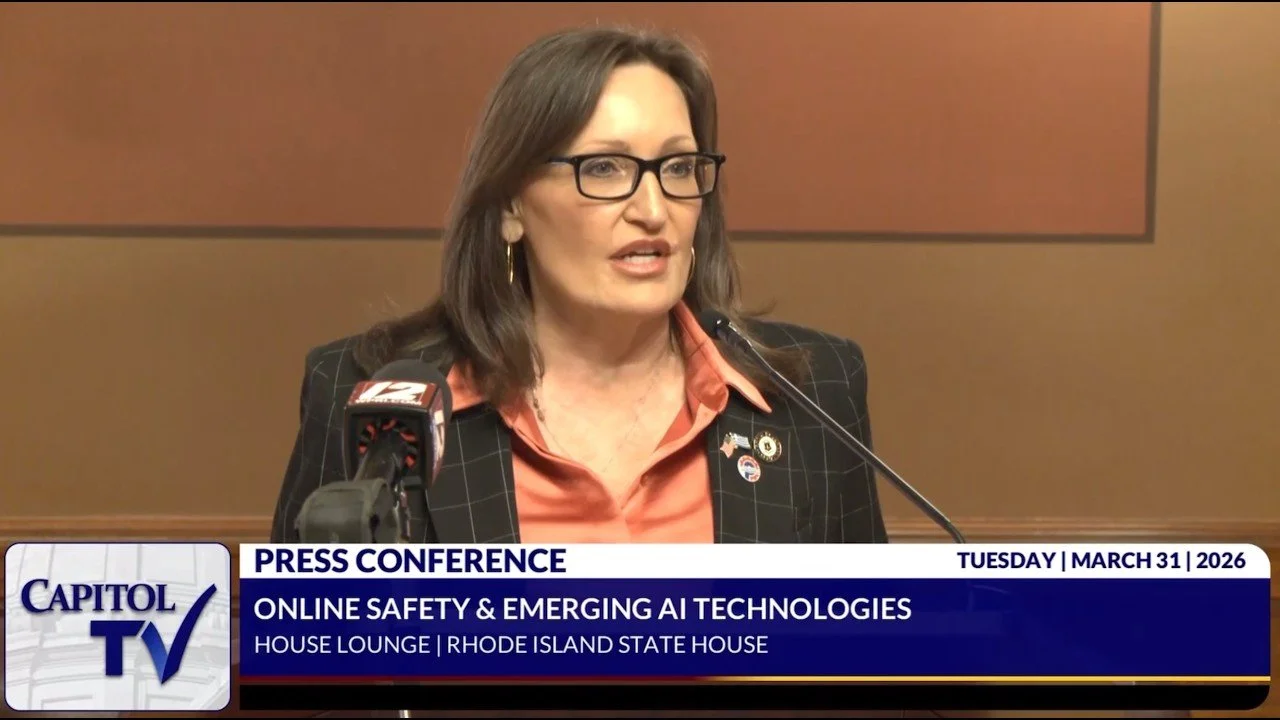
These identical Acts require a chatbot operator to include protocols for addressing possible suicidal ideation or self-harm expressed by a user. The protocol must also include instances of possible physical harm to others expressed by a user. As soon as any of those expressions are made, the chatbot operator must provide a notification to the user that refers them to crisis service providers such as a suicide hotline, crisis text line, or other appropriate crisis services. Operators must file annual reports with the state attorney general that includes the number of safety protocol activations. That data will be published, inaggregate, on the attorney general’s website. Enforcement by state attorney general, with violations subject to penalties of up to $15,000 per day, with fines directed to suicide prevention programs. Sponsors: Urso, Spears, et al. Enacted June 22, 2026. Effective Jan. 1, 2027.
South Carolina
H 3431: The Social Media Regulation Act (safety features)
This Act requires online services accessed by minors (under 18) to implement safety design features, minimize data collection and storage, and enforce privacy protections. Covered services must “exercise reasonable care in the use of a minor’s personal data and the design and operation” of the service to prevent compulsive use; psychological harm (including anxiety, depression, self-harm or suicidal ideation); severe emotional distress; highly offensive intrusions on the minor's reasonable privacy expectations; identity theft; discrimination; and material financial or physical injury. Sponsor: Newton, et al. Enacted Feb. 5, 2026. Effective Feb. 5, 2026.
Washington
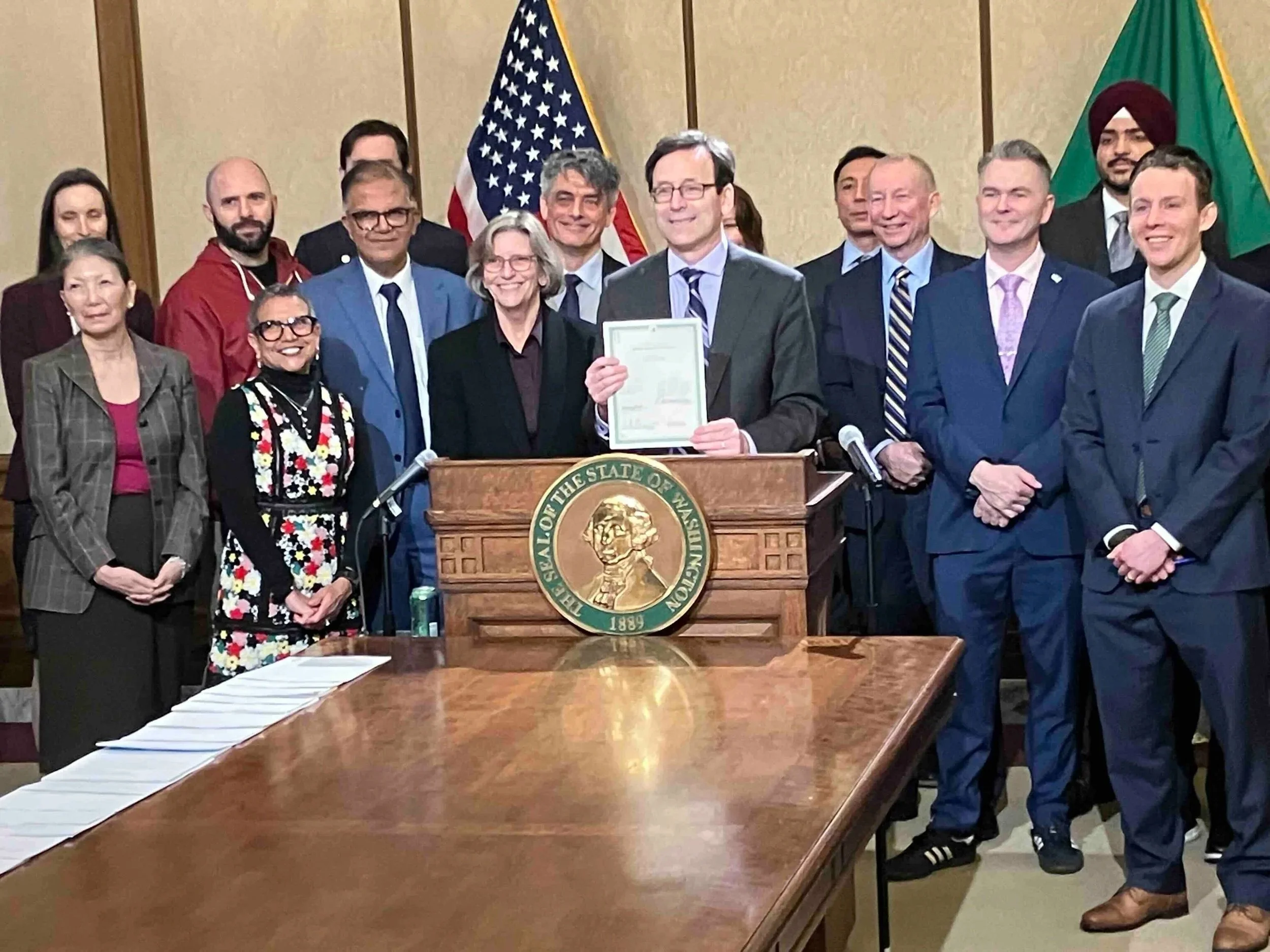
HB 2225: Chatbot safety and kids protections
This Act requires safeguards around the use of companion chatbots for minors, and protocols around suicidal ideation and self-harm for all users. Chatbot operators must provide a clear disclosure that the bot is artificially generated and not human. If an operator knows the user is a minor (under age 18), or if the chatbot is directed at minors, the operator must implement reasonable measures to prevent the bot from generating sexually explicit content or suggestive dialogue.
Manipulative engagement techniques are not allowed for minor users, includingemotional support or companionship; providing excessive praise designed to foster emotional attachment or prolong use; mimicking romantic partnership or bonds; stimulating feelings of emotional distress, loneliness, guilt, or abandonment; promoting isolation or exclusive reliance on the bot for support; encouraging minors to withhold information from parents; or soliciting gift-giving, in-app purchases, or other expenditures to maintain the relationship with the AI companion. Violation is considered an unfair or deceptive act in trade or commerce and an unfair method of competition. Sponsors: Callan, Wellman. Enacted March 24, 2026. Effective Jan. 1, 2027.
Wyoming
HB 102: AI chatbots, minors and self-harm
Wyoming’s HB 102 is a chatbot law focusing on protecting minors from deepfake sexual depictions and from the promotion of self-harm. Penalties for violations are unusually rigorous, and include felony charges with imprisonment up to 10 years. The Act’s language sets a high bar for violation by requiring proof of harmful intent. The penalties apply only to those who develop or distribute a system “specifically designed” to promote self-harm or generate prohibited material, or “with the intent that the system will be used by others” to do so. Enacted March 7, 2026. Effective July 1, 2026.
Read the full 2026 Mid-year AI report